Daily Activities
Nurturing Mind, Body, and Spirit
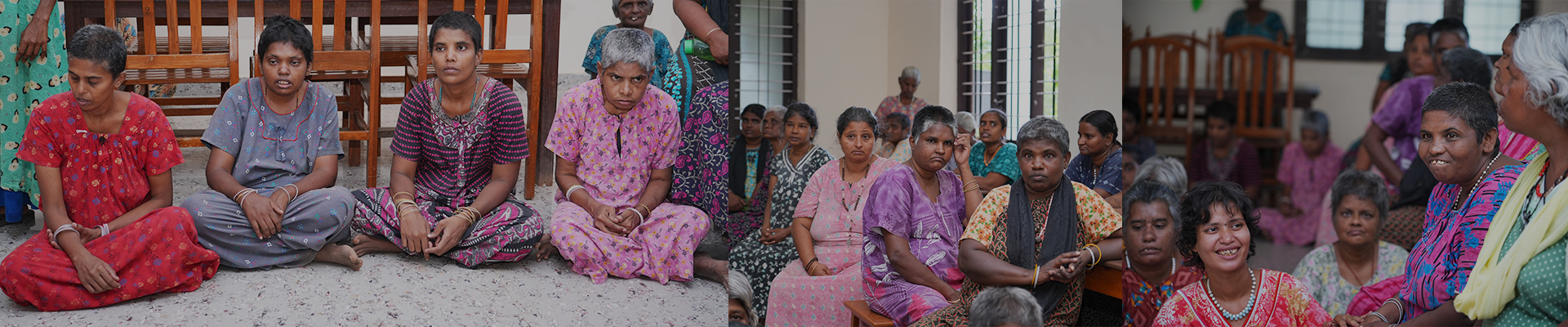
At our rehabilitation centre, structured daily activities play a vital role in the recovery and reintegration of homeless women living with mental illness. These activities are carefully designed to provide routine, purpose, therapy, and joy — essential components for healing and personal growth. Our Daily Activities Include:
Morning Routine & Yoga
- Gentle yoga and breathing exercises
- Morning prayers or meditation for mental calmness and positivity
- Personal hygiene and grooming sessions to encourage self-care habits
Healthy Meals & Nutrition Awareness
- Nutritious, well-balanced meals served regularly
- Health talks and group discussions on hygiene and healthy eating
- Basic cooking skills training for interested residents
Creative & Expressive Activities
- Art and craft: painting, paper art, clay modeling
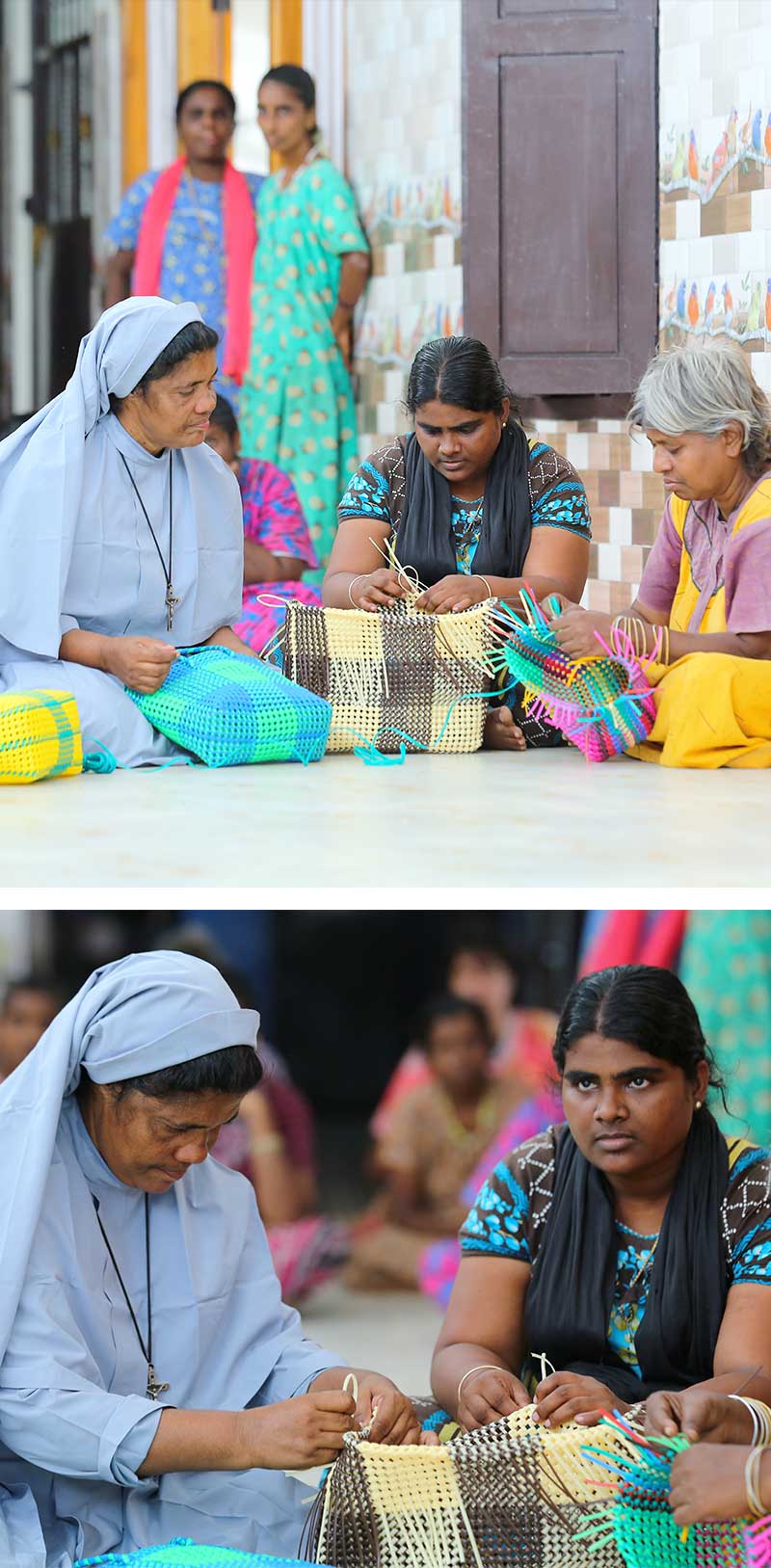
- Tailoring, basket weaving, and embroidery work
- Music, dance, and storytelling to encourage self-expression
Therapeutic & Skill-Building Sessions
- Individual and group counseling
- Life skills development (time management, communication, teamwork)
- Vocational training (tailoring, paper crafts, basketry, etc.)
Cognitive & Educational Engagement
- Simple literacy and numeracy sessions
- Reading, writing, puzzles, and memory games
- Awareness sessions on mental health and self-awareness
Recreational & Cultural Events
- Indoor games like carrom, puzzles, and drawing competitions
- Celebration of festivals, birthdays, and cultural days
- Dance, drama, and skit performances for confidence and joy
Gardening & Nature Therapy
- Involvement in tending to flowers and vegetables
- Encourages responsibility, routine, and connection with nature
Social Interaction & Community Living
- Group discussions and peer bonding activities
- Shared responsibilities (helping with chores, organizing events)
- Visits from volunteers and motivational speakers
Purpose of These Activities
- Re-establish daily routines and restore a sense of normalcy
- Promote mental stimulation and emotional stability
- Build social skills, confidence, and independence
- Prepare residents for reintegration into family or community life